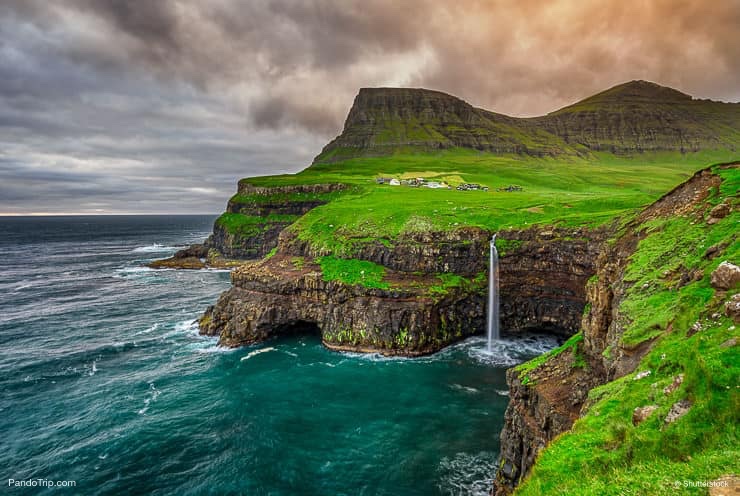
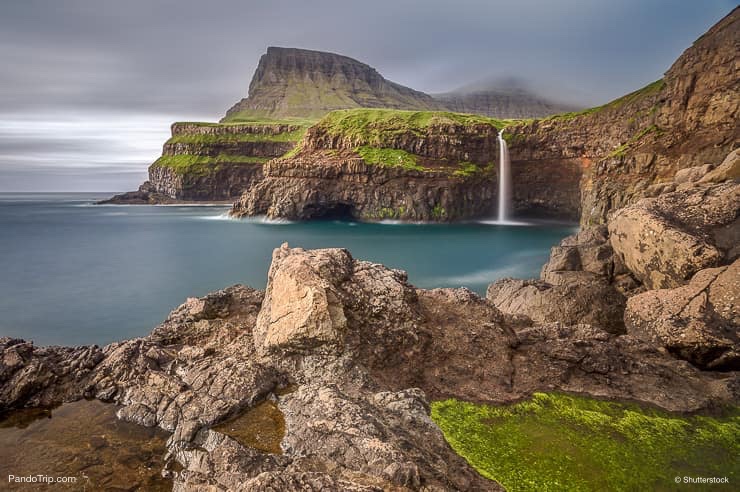
10. Gásadalur, Faroe Islands
The Gásadalur or Múlafossur Waterfall as it is also known really is one of Nature’s hidden treasures. Situated on a remote Faroe Islands with only the small village of Gásadalur close by, the stunning waterfall tumbles over a steep cliff edge colonized by seabirds. It is one of the most picturesque waterfalls in Europe.
Why Go? If you do go to see the Múlafossur Waterfall, you can call yourself a true adventurer. It is so far removed from civilization not many people have actually been there. You’ll be one of only a few who are able to upload their photos to the internet.
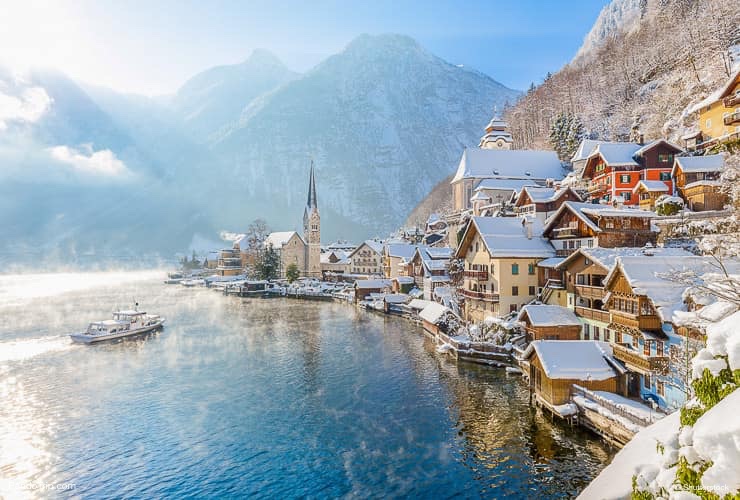
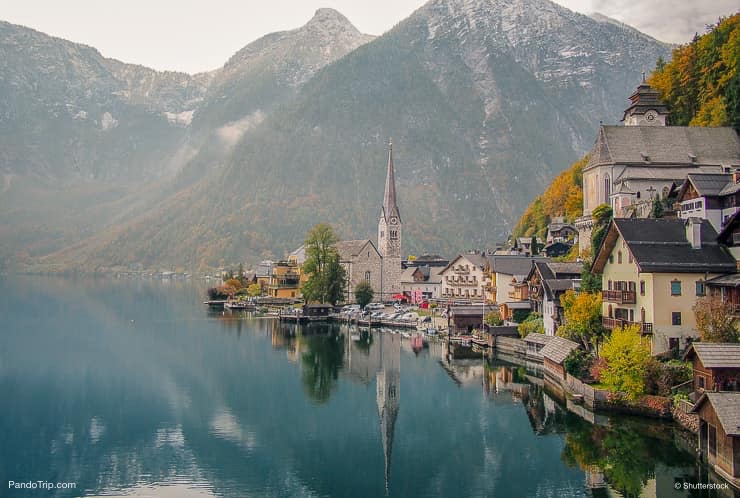
9. Hallstatt Village, Austria
The Hallstatt Village is on the shores of Lake Hallstatt in Austria. Backed by a rugged mountain landscape, it’s more easily accessible by boat than by road. Seemingly untouched by time, the village’s colorful alpine houses and cobbled streets date to the sixteenth century.
Why Go? Going to Hallstatt Village is like visiting the land that time forgot. If you’ve ever wondered what it would be like to time travel backwards a few centuries, you’ll find the answer here.
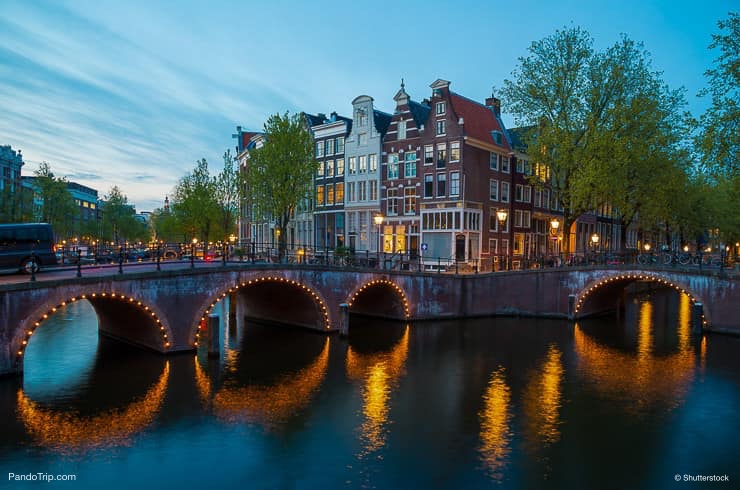
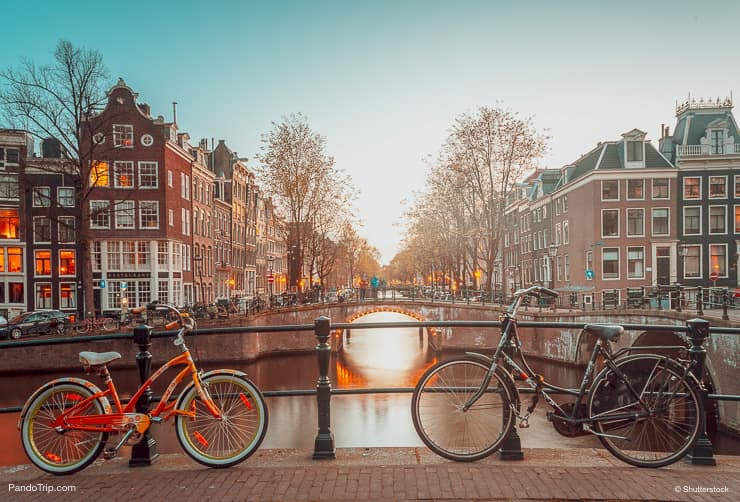
8. Keizersgracht, Amsterdam, The Netherlands
The Keizersgracht or Emperor’s Canal is the widest canal in Amsterdam. Over a hundred feet wide, the canal is lined by five hundred-year-old buildings which, although they may have been converted into luxury apartments, still maintain their original facades.
Why Go? Amsterdam is a city full of canals. If you’re going to make a point of seeing one, make sure its the biggest. Go in winter when it’s frozen over and rather than sail down it in a canal barge, you can skate down it instead.
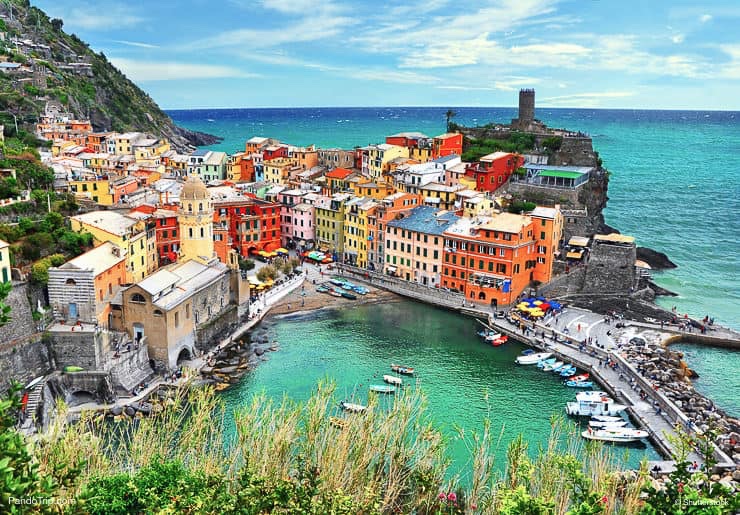
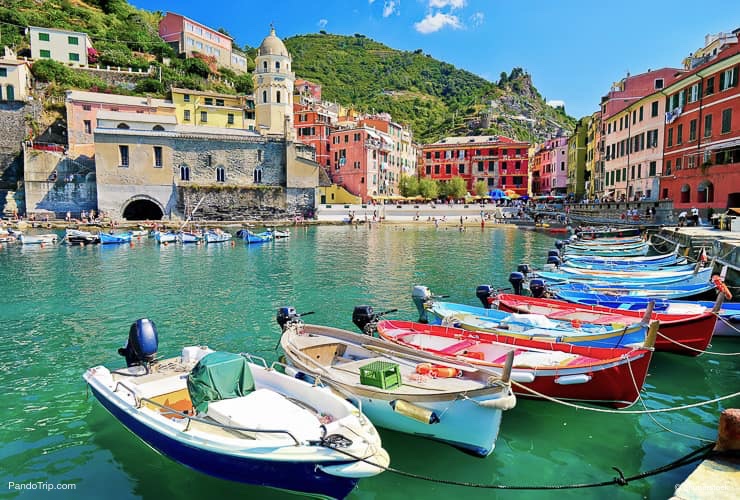
7. Vernazza, Cinque Terre, Italy
Out of the five towns which comprise the UNESCO site of Cinque Terre in Italy only Vernazza has a harbor. The multi-colored houses of the car-free fishing hamlet area a major attraction to photographers.
Why Go? Vernazza has previously been heavily damaged by flooding and mudslides. Go and see it before it happens again and the town is destroyed beyond repair. If that’s not reason enough, they also produce a local wine called vernaccia which is a delectably good. Do you need a better reason to go?
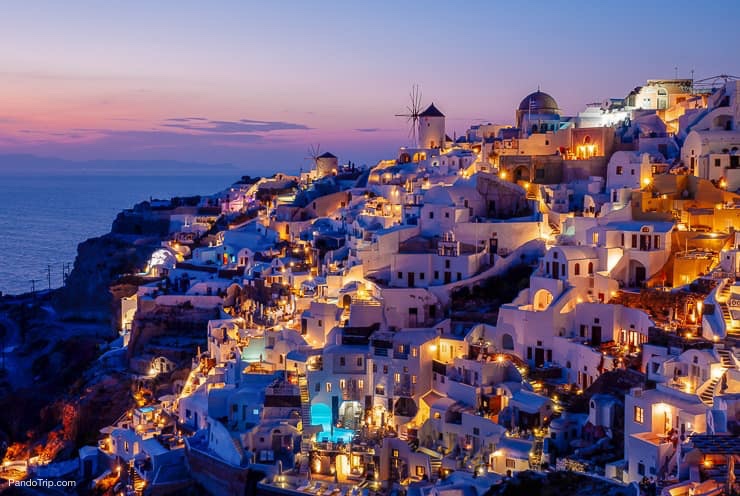
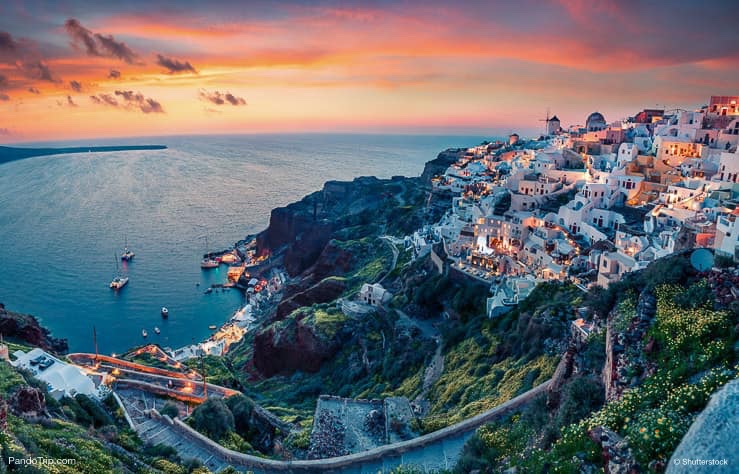
6. Oia, Santorini, Greece
Oia is a village which snuggles in a volcanic cauldron on the coast of the Greek island of Santorini. Its houses are painted an eye-dazzling white and blue, but while it may look spotlessly new, the settlement’s history is traceable as far back as the beginning of the eleventh century.
Why Go? Most Greek monuments are either ruins or at some stage of falling into disrepair. Maintained to a pristine, impeccable level, Oia is a Greek rarity. Go there and you’ll see Greece at its impeccable best.
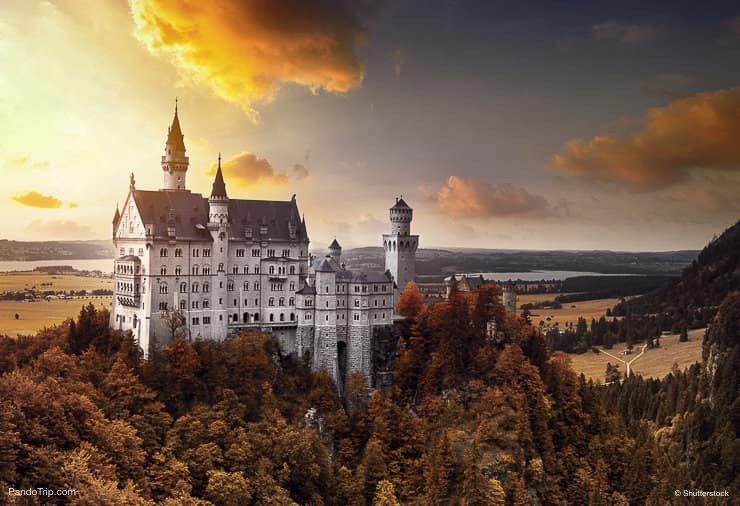
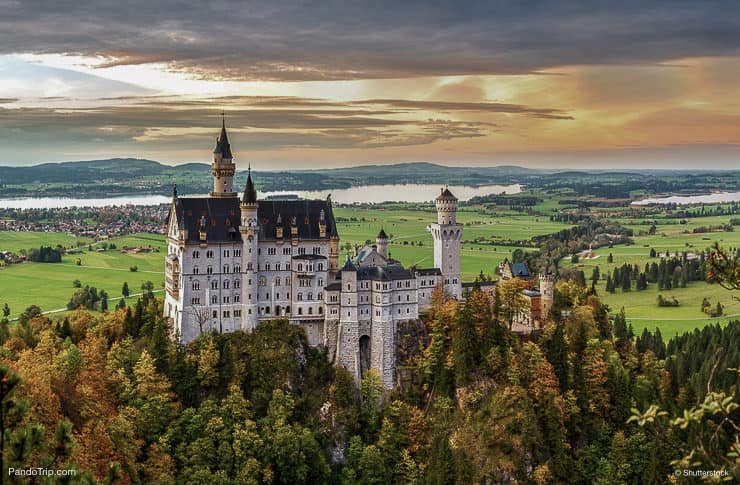
5. Neuschwanstein Castle, SW Bavaria, Germany
The impressive Neuschwanstein Castle perches on a hill and overlooks the Hohenschwangau valley in SW Bavaria. It is one of the best castles in Germany. Built as a king’s folly in the mid to late nineteenth century its internal plumbing and heating systems were a major leap forward in the technology of the times.
Why Go? Neuschwanstein Castle is often called the fairytale castle because of its exterior multi-turreted appearance. Whether it was inspired by a fairy tale or writers of fairy tales were inspired by it is a question which still begs to be answered. Visit the castle to see if you can find a vital clue to the never-ending mystery story.
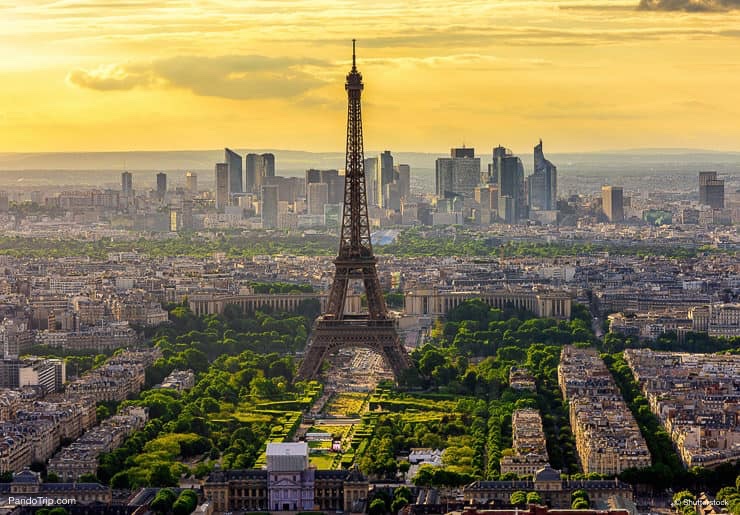
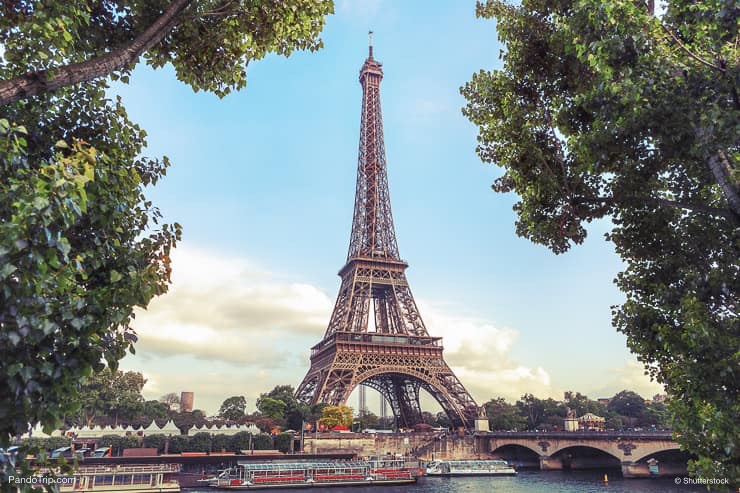
4. Eiffel Tower, Paris, France
The Eiffel Tower does literally tower above Paris, the French capital. The metal construction is a dizzying one thousand feet high and is the tallest structure in the city. It took two years to build and was inaugurated just in time for the 1889 World Fair.
Why Go? The Eiffel Tower is one of the world’s most iconic monuments. The view from the observational platform is the view of Paris you must see before you die.
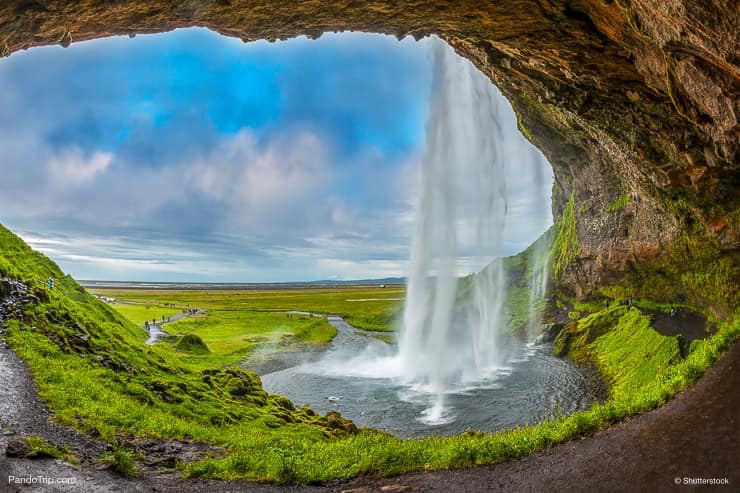
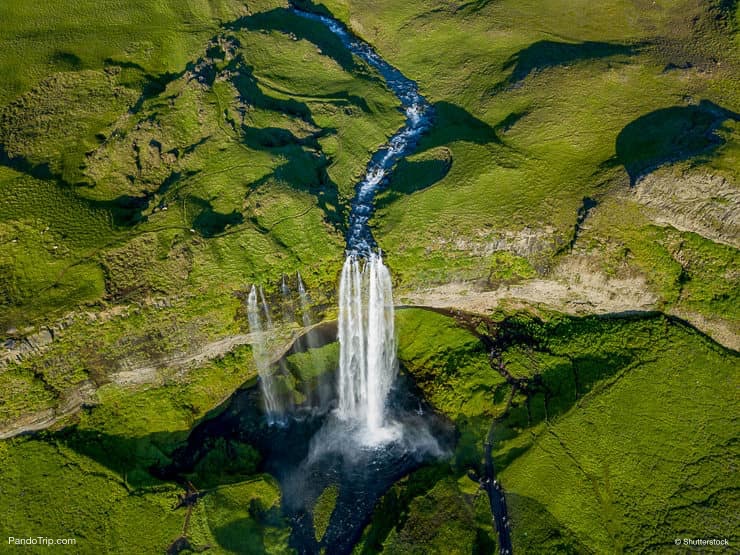
3. Seljalandsfoss Waterfall, Iceland
The Seljalandsfoss Waterfall is one of Iceland’s most impressive waterfalls. The water source, from a glacial melt, rages over the cliff and drops a magnificent two hundred feet before continuing its course.
Why Go? Hidden behind the raging stream of water which is the Seljalandsfoss Waterfall is a cave. Accessible by foot, the cave gives you a unique viewpoint to observe the waterfall in all its force and to get some amazing photographs – rainbows included. You can’t do that anywhere else in Europe.
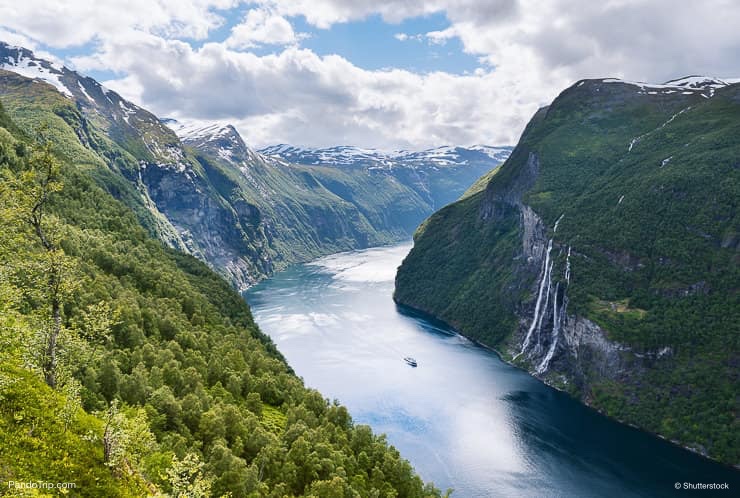
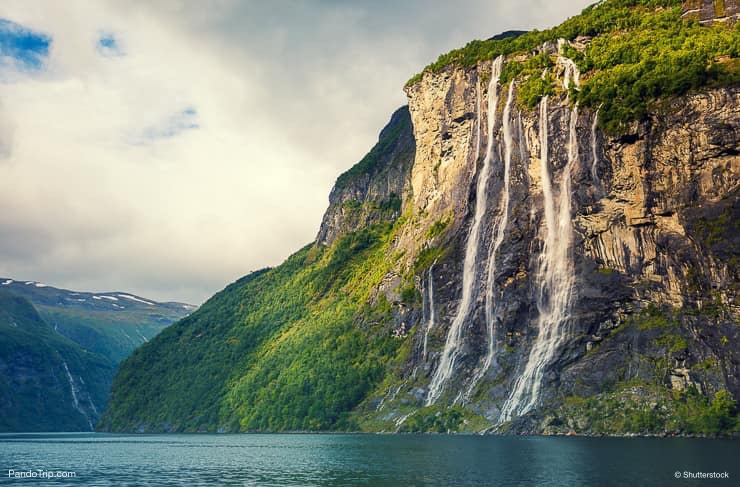
2. Seven Sisters Waterfall, Geiranger, Norway
The Seven Sisters Waterfall is a group of seven streams which cascade over a cliff near Geiranger in Norway. Not the highest waterfall in Norway by any means with a drop of just over eight hundred feet, but definitely one of the best things to see in Scandinavia.
Why Go? The Seven Sisters Waterfall is fed by melting glacier ice without which there’d be no waterfalls. Go to see it before the effects of global warming turn it dry and it’s nothing more than another Norwegian cliff face.
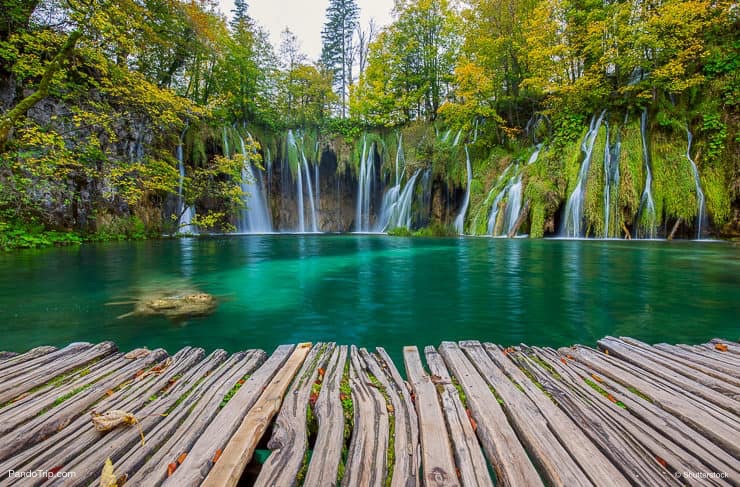
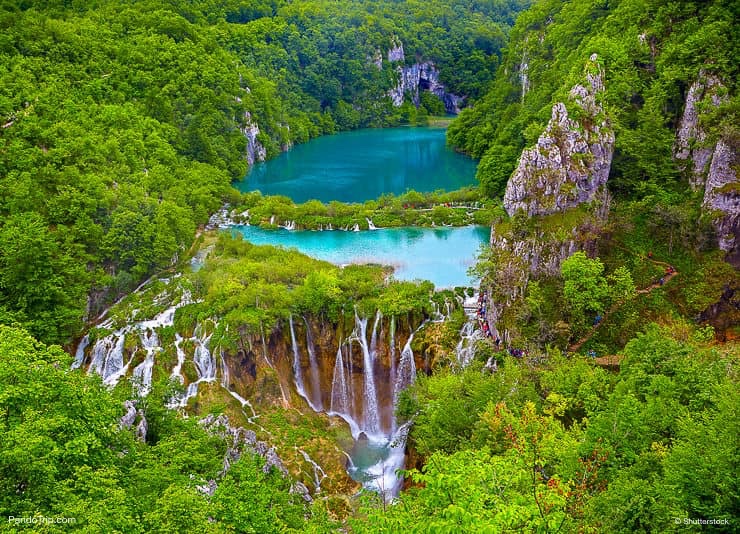
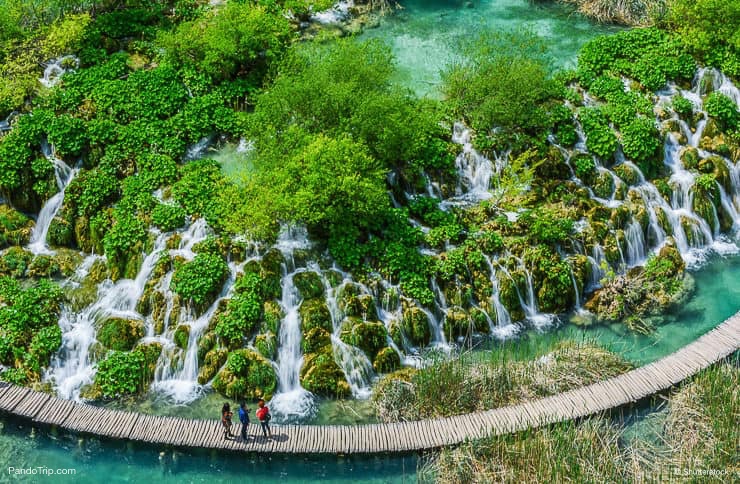
1. Plitvice Lakes National Park, Croatia
The Plitvice Lakes National Park in Croatia is an amazing configuration of sixteen lakes interlinked by stunning waterfalls and surrounded by forests. Situated between the Mala Kapela and Lička Plješivica mountain ranges, it’s recognized worldwide as a place of outstanding natural beauty and was Croatia’s first national park.
Why Go? The beauty of the Plitvice Lakes National Park defies description. It is something you just have to see with your own eyes to believe it. Even photographs don’t do it full justice. It really is one of the best national parks in Europe. Don’t miss it.

Comments (2)